1300 609 230
he***@*********************om.au
52 Prospect St, Fortitude Valley,
Brisbane, QLD 4006
1300 609 230
he***@*********************om.au
52 Prospect St, Fortitude Valley,
Brisbane, QLD 4006
March Talent Partners is a specialist agricultural recruitment consultancy. We provide livestock recruitment across Australia, placing permanent talent from operational and supervisory roles through to mid-senior management.
Livestock sits alongside broadacre, horticulture, and cotton as one of the four sectors we work in. The managers and operators we place run cattle, sheep, and mixed pastoral operations across the country. We work from Brisbane and run searches across Australia’s pastoral regions.
Livestock operations come to us at every level, from operational and supervisory people running day-to-day to the managers accountable for the result. These are the roles we're briefed on most across cattle, sheep, and mixed pastoral country.
Operations: Senior Station Hand, Leading Hand, Overseer, Station Mechanic.
Management: General Manager, Assistant Station Manager, Station Manager, Livestock Manager, Feedlot Manager, Operations Manager, Aggregation Manager, Farm Manager, Regional Manager.
A General Manager can sit above multiple Station Managers (also called Livestock Managers) across multiple assets; in smaller operations the Station Manager runs the property directly.
Dairy, poultry, and pigs are separate talent markets. So are abattoir and live export. We don't currently recruit into them; our livestock work stays on the cattle, sheep, and mixed pastoral side.
Australia's pastoral country runs from the Top End cattle stations to the wool country of the southern high-rainfall zones. We recruit across all of it, including the Channel Country, Kimberley, Barkly Tablelands, New England, Riverina, Western Districts, the South Australian pastoral country, and Western Australia's wheat-sheep zone.
The core program is similar across pastoral country, but the country itself, the herd or flock genetics, and the operational rhythm shift between regions. Northern cattle managers know each other, and they know who runs the cross-bred country down south. Sheep managers cluster the same way. We brief each search to its region.
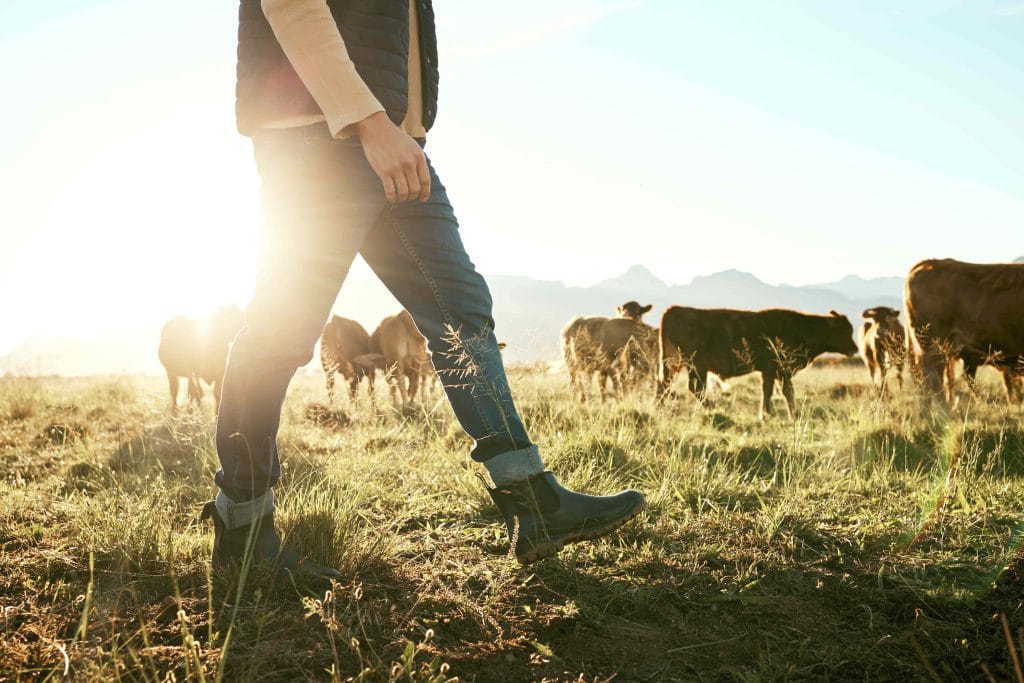
The hard part of a livestock search isn't just the size of the pool. It's finding people who want both the role and the lifestyle.
Experienced station and livestock managers are already employed, and remote locations narrow the market further.
A station manager role hundreds of kilometres from town is a different proposition to a metro role. Partners and families need to see the move working too, which means lifestyle fit can rule out candidates as often as technical capability.
The work has changed. A modern livestock manager runs stock health programs, genetics decisions, water and fencing infrastructure, EID tagging, and NLIS and LPA biosecurity, alongside people management. Skills that were current fifteen years ago no longer cover a credible program.
Corporate cattle groups, investment funds, and pastoral companies compete for the same experienced managers family operations depend on.
When a station role opens at scale, three or four credible candidates are in play across several searches at once. We follow this market and publish what we see in our insights.
Most successful livestock placements begin before a role reaches the market. The people we're ultimately hired to recruit are usually already employed.
Our role is to understand the market, identify who is performing well, and approach potential candidates directly when the right opportunity emerges.
The approach varies by region, operation and seasonal timing. Northern mustering programs and southern joining cycles can both affect when managers are willing to move.
Every livestock placement is permanent. Our consultants recruit exclusively in agriculture. Learn more about the team.
We recruit across two bands. Operational and supervisory roles cover Senior Station Hand, Leading Hand, Overseer, and Station Mechanic. Management roles cover General Manager, Assistant Station Manager, Station Manager, Livestock Manager, Feedlot Manager, Operations Manager, Aggregation Manager, Farm Manager, and Regional Manager. Every placement is permanent. Dairy, poultry, pigs, abattoir, and live export fall outside our scope.
All of them. We run livestock searches across the country: the Channel Country, the Kimberley, the Barkly Tablelands and Top End, the Northern Tablelands and New England, the Western Districts, the Riverina, the South Australian pastoral country, and the wheat-sheep zone in Western Australia. We work from Brisbane and brief each search to the specific region and the operation behind it.
We work with family-owned pastoral enterprises, corporate livestock groups, feedlot operators and agricultural investment funds with pastoral assets. While ownership structures vary, the challenge is often the same: finding finding managers who can run people, livestock performance, infrastructure and operational outcomes across large and often remote properties.
Usually? Direct search. The best livestock managers are already employed, and a purely advertising approach misses most of the market.
It depends. The role, location, market conditions, and how clear the brief is all move the figure, so we don’t put a blanket one on a search. We give you a realistic read and flag the constraints. Northern mustering windows or southern joining cycles can narrow when a manager can move.
Often, yes. A station manager role hundreds of kilometres from town is a different proposition to a metro role. The candidate has to want the lifestyle, and partners and families have to feel the same. Many of our remote placements have been couples with prior remote-work experience. Lifestyle fit is part of the brief from the start.
Yes. Confidential searches are a regular part of our livestock work, and pastoral circles are small. Many roles are filled while the current manager is still in place, so the search stays off the market until you choose to move. We don’t put your operation’s name to candidates without your agreement.
Yes. Livestock sits alongside cotton, horticulture, and broadacre as one of the four sectors we work in.
Hiring for a pastoral operation, or weighing up whether your management structure still fits the country? We’ll give you a straight read on the role and the market before you commit to a search. Tell us about the role.
If you manage a livestock property and you’re open to a move, register your details and we’ll be in touch when a role fits.